

The vision of Kalami Spirit Arts emerged four years ago in Bantayan, with the first post-lockdown Spring Equinox, the evolution of my previous power plant healing apothecary, dreampr00fx.
After years of whirlwind travels, and a magical last-minute decision to fly to Bantayan before the announced start of global quarantine, I got stuck in my ancestral island home for over a year, and began to witness new story lines unfold in my diasporic return journey. Walking down the beach at sunrise after the Atlanta Spa shootings, far from my NYC life, I knew I would have to begin transitioning my approach to healing arts.


When I first moved back to Bantayan, I did not want to share my spiritual or creative practice in the way that I did in diaspora.
On the diasporic side, I’ve been in the sensual bodywork industry (Fly in Power), flipped out on psychedelics, played a performance artist clown, an Ivy League graduate turned rogue anthropologist hitchhiker, spent weeks in a psychiatric hospital, diagnosed with multiple psychological disorders, traveler collector of power plants, raver butoh dancer, juggling multiple under-the-table side hustles since sixteen year old, and overall certified insane in all the membranes! How could peoples of a small tropical island (with one of the oldest Catholic churches in Asia), truly understand what I’ve been through and what it’s taken for my spirit to get ‘back home’? Despite a shamelessly wild past, I was afraid for being judged.
Unlike the capitaist commodification of “wellness” & “healing” in Western contexts (exhibit A, B, C), where “trained” “expertise” is marketed & sold, healers in traditional context are not necessarily promoting their practice for the masses. Trained in a lineage, traditional healers are such because they are recognized by the community for their practice.
This is why many healers no longer have students to teach, because this line of “work” is no longer recognized with value in today’s modern society. Especially in the Philippines, with one of the biggest exports of nurses in the global health industries.
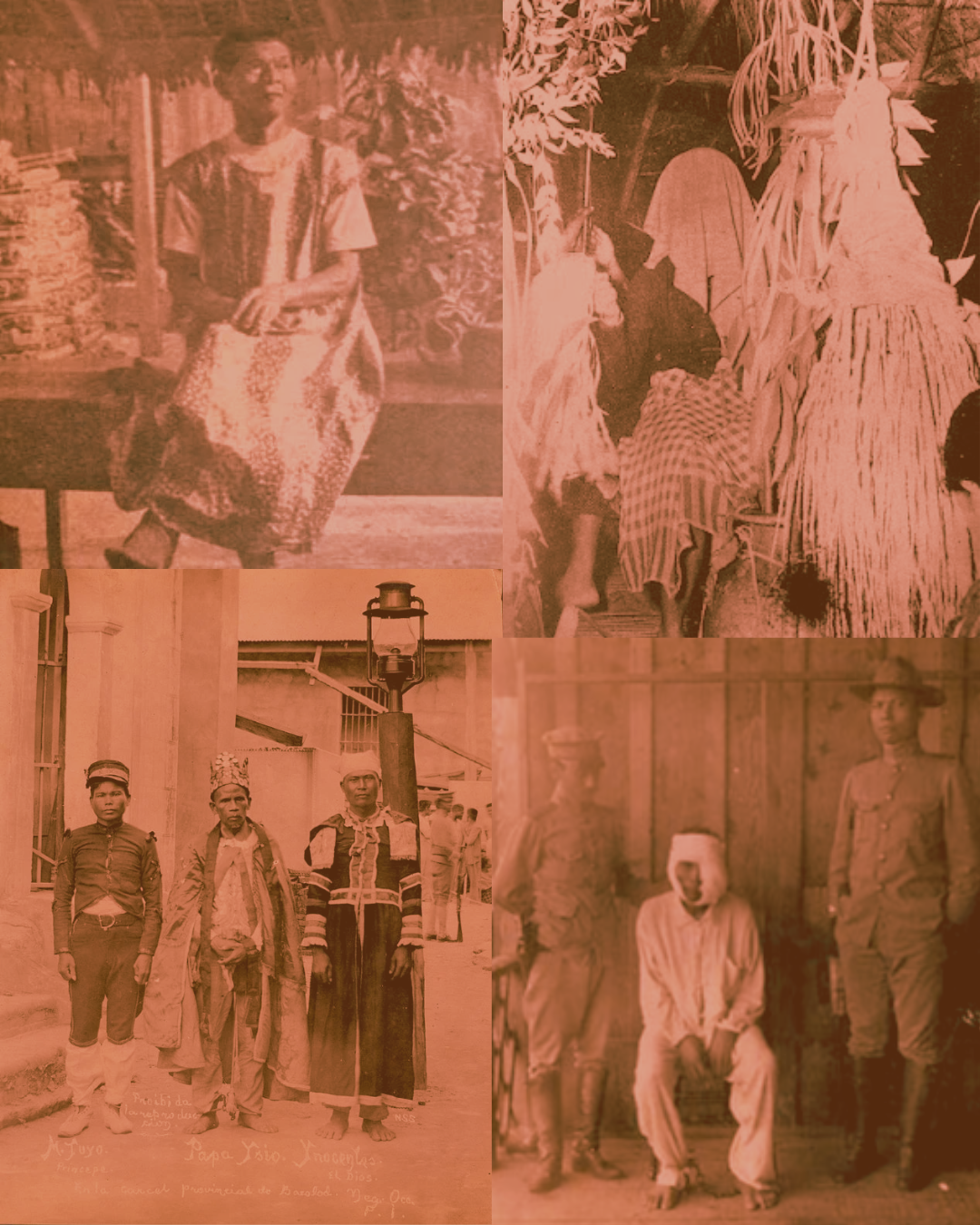
Not only do they become unvalued & unrecognized by the community, but through religious & political oppression, traditional healers historically become regarded as “witches” – as figures in which people project their fear, insecurity, jealousy and misunderstanding.
But here I was, diasporically disconnected from my traditional lineage, with my own healing arts practice, returning to ancestral roots… If traditional healers served their community, who belonged to mine?
What happens if your community is fragmented across oceans, composed of displaced peoples, across social classes & cultural identities & positions of privilege?
I decided to keep my healing arts practice quiet.


I would focus on rebuilding my sense of self and communal relations with the island ecology, in which generations of my ancestors have tended (@kalamispiritarts). I would build immersive learning gatherings for diaspora to reconnect (@bababisaya). I would stop promoting myself as a ‘healer’ in the Western way, and instead cultivate communities who could mutually see the value in our ancestrally rooted heartwork.
None of this is easy or simple. The capacity to build relationships of reciprocal trust outside of work, class, society, convenience of location, requires so much emotional labor & sensitive navigation. I began to see even community organizing as a healing art and a spiritual practice.

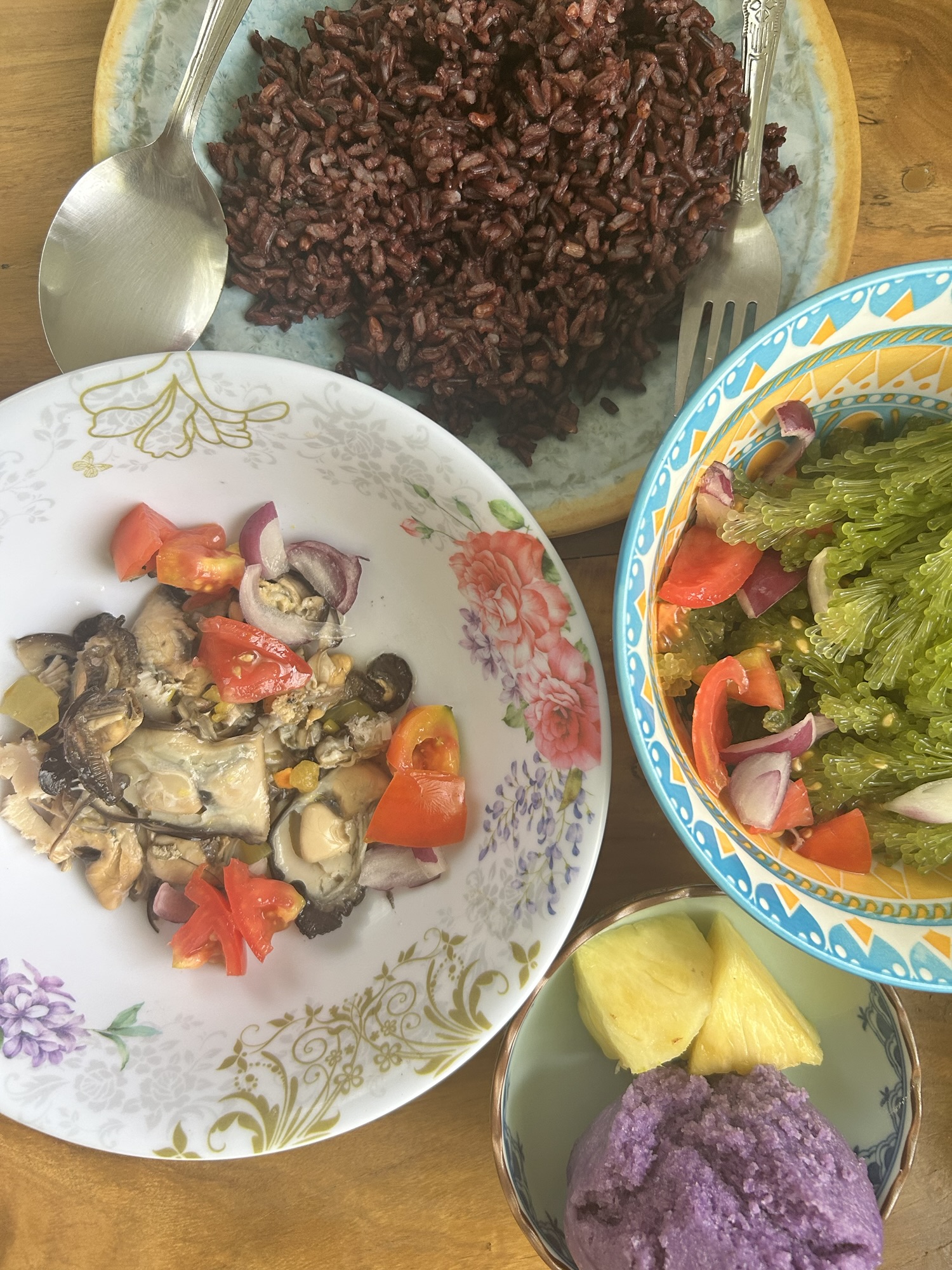
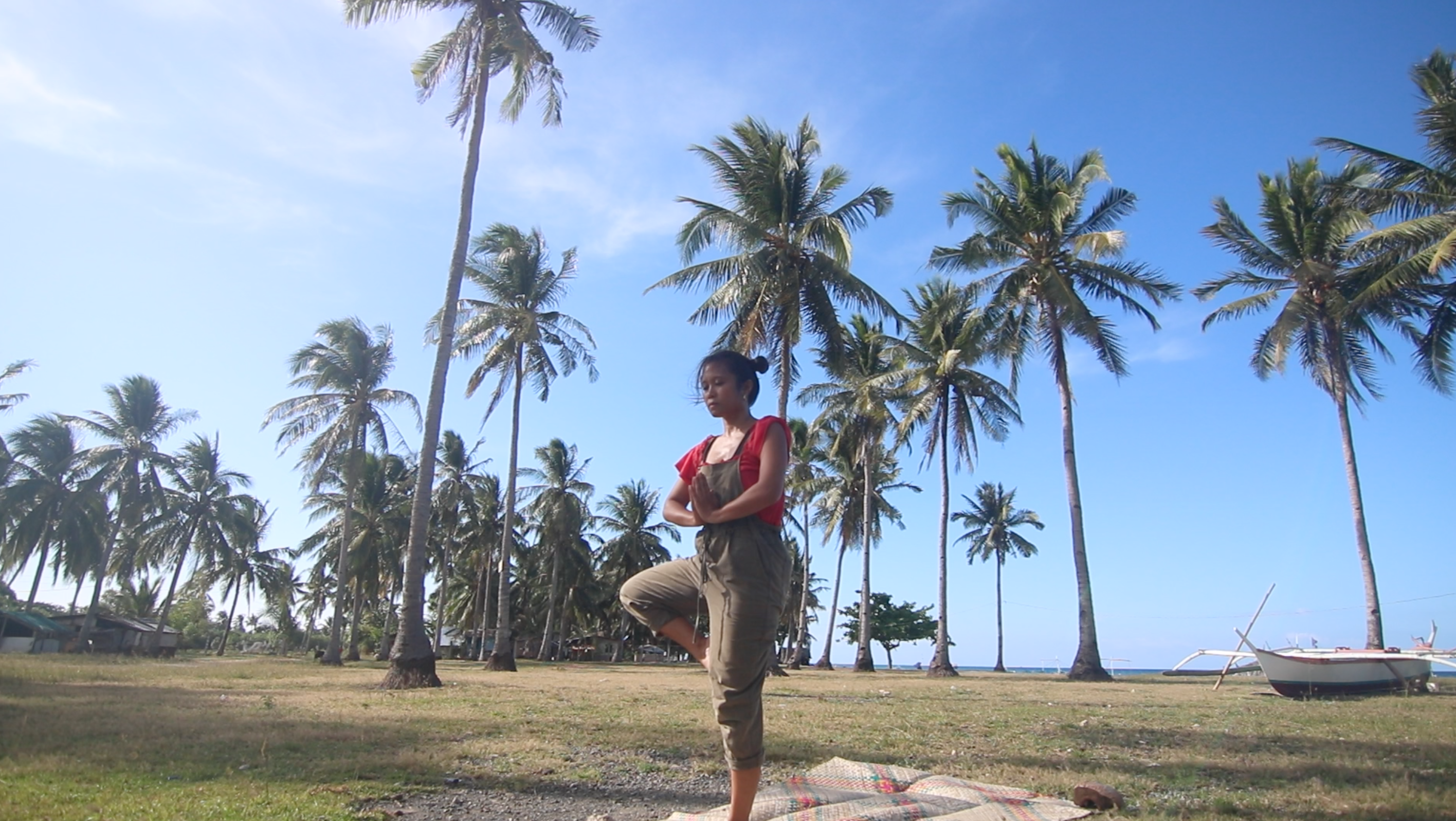
Slowly by slowly, fellow islanders began to ask me about the lana (traditional medicinal coconut oiil) that I make with the moon cycles, the veggies, fruits, foods that I eat, the Yoga that I practice, the research passions that I hold, the bodywork that I do for those in need… I did not have to promote my “power.” I could be myself, whole in fragmented parts, from another world, re-integrating back home, back whole.

Leave a Reply