
With this blood moon bakunawa (lunar eclipse), I want to ask – what is the role of spirituality in justice & revolution?
In the 1887, as anti-Spanish sentiments were brewing in the Philippine colony, especially around its capital, Manila, a spiritual-political uprising emerged amongst provincial peasant leaders in the Visayan Islands…


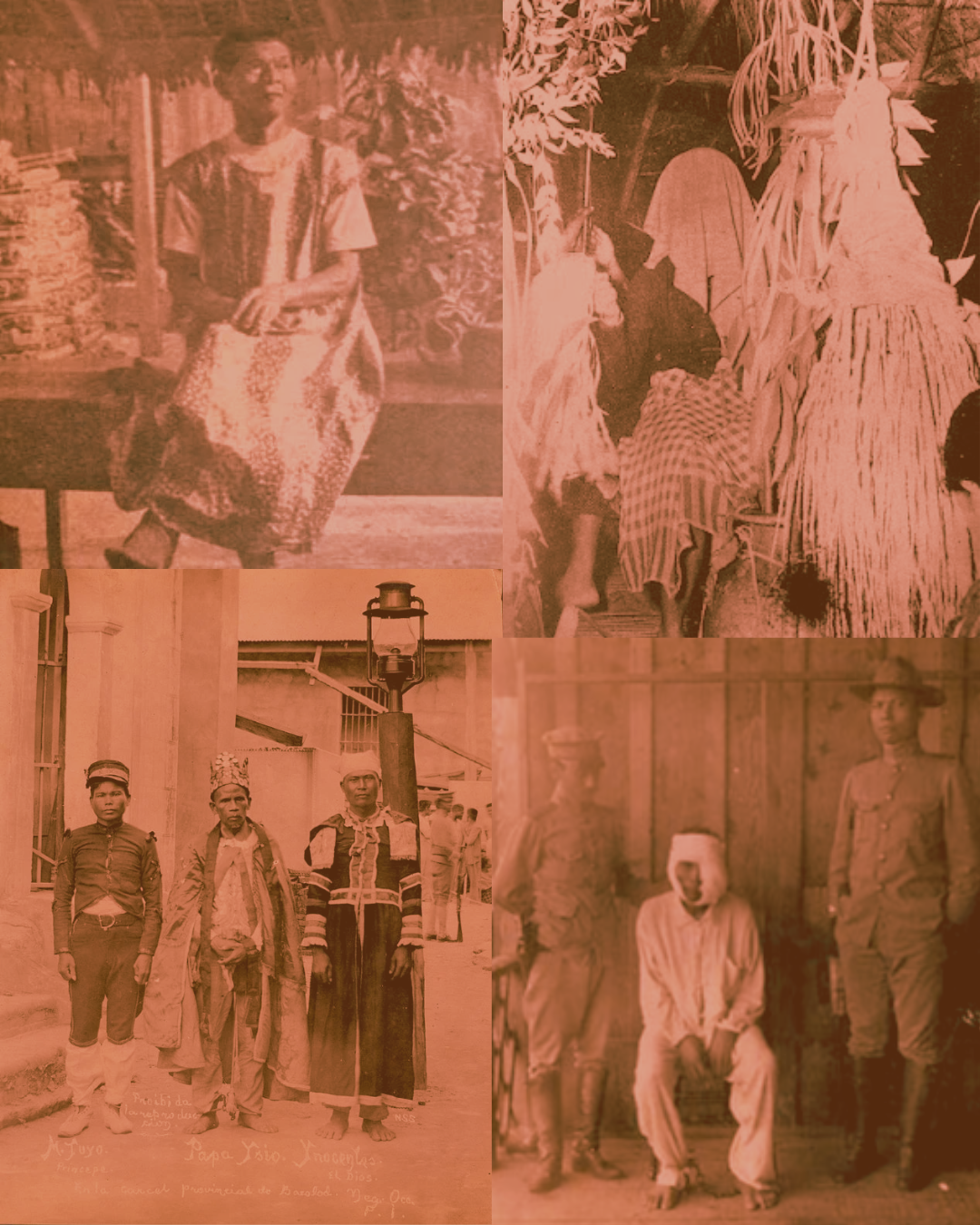
Ponciano Elofre of Zamboanguita, Negros Oriental (near Dumaguete) resisted Spanish governance through the revival of the Babaylan (Bisayan divine ritualists) and Asog (‘trans’ Babaylan). Rallying the locals to resist taxes, he led 2,000+ followers – called babaylanes – as Dios Buhawi (‘Tornado/Whirlwind God’).
After Spanish killed Dios Buhawi, Dionisio Magbuelas or ‘Papa Isio’ recruited his followers to continue the babaylanes movement in Negros Occidental. Championing for spiritual freedom with agrarian reform and independence, Papa Isio called for the division of the land among the natives.
While the Philippine Revolution ended with the surrender to the Americans in Cavite, Luzon, Papa Isio continued this babaylanes resistance movement, until getting jailed in 1907, where he later died. (“The Spirit of Don Papa Lives on in Us All”)
_(1907).jpg)
In Samar and Leyte, the ‘Dios-Dios’ & babaylanes movement evolved into the Pulajanes (“those who wear red”), who – just like the babaylanes – claimed special powers and used holy amulets, oils, magic spells in battle. This time, their enemies were American troops and local Filipinos working with the Americans.
From 1902 – 1907, the Pulahanes were led by Faustino Ablen (‘Papa Faustino’) in Leyte, an illiterate peasant with a following of 10,000 foot soliders. The last Pulahan leader, Colonel Enrique Villareal Dagohob (or Daguhob), was captured and killed in Samar in 1911; 7000 Pulahan warriors in Samar also perished. Papa Faustino’s legacy lives on in Pulahan-Derobio Eskrima. martial arts.

The Life of General Faustino Ablen
The Tagalog Katipunan often get the most recognition in Filipino revolutionary history; maybe because the Visayan Pulajanes were labeled as ‘crazy spiritualists’ or ‘an illiterate quack magic cult.’
But amidst this simmering revolutionary moment against national corruption, may we remember the organizing power of spiritual political resistance!
Resources to learn more about the Pulahan Movement:


Leave a Reply